


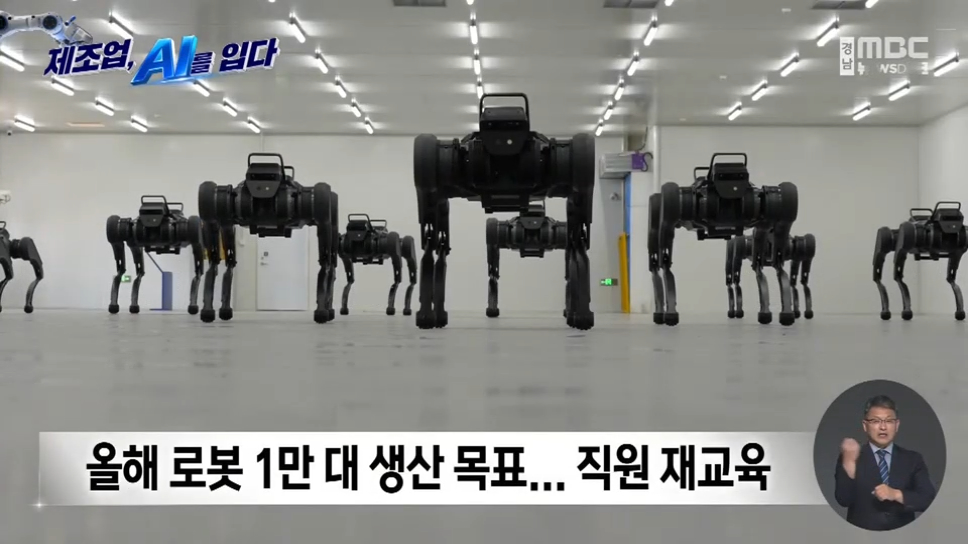


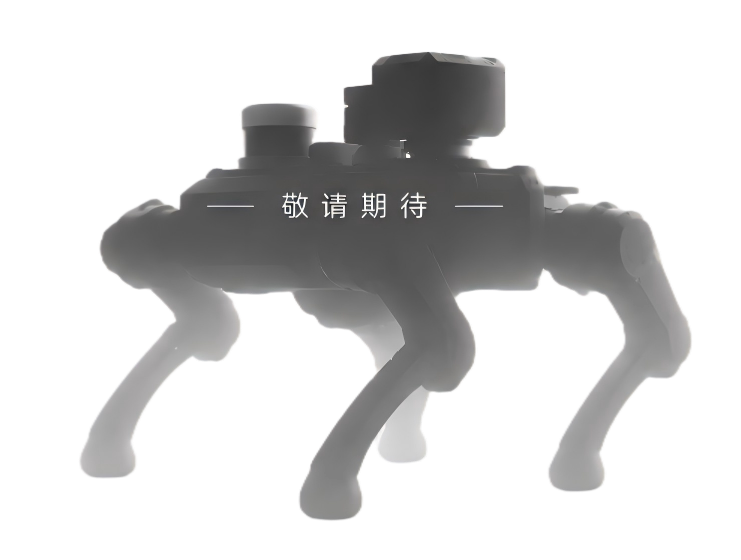
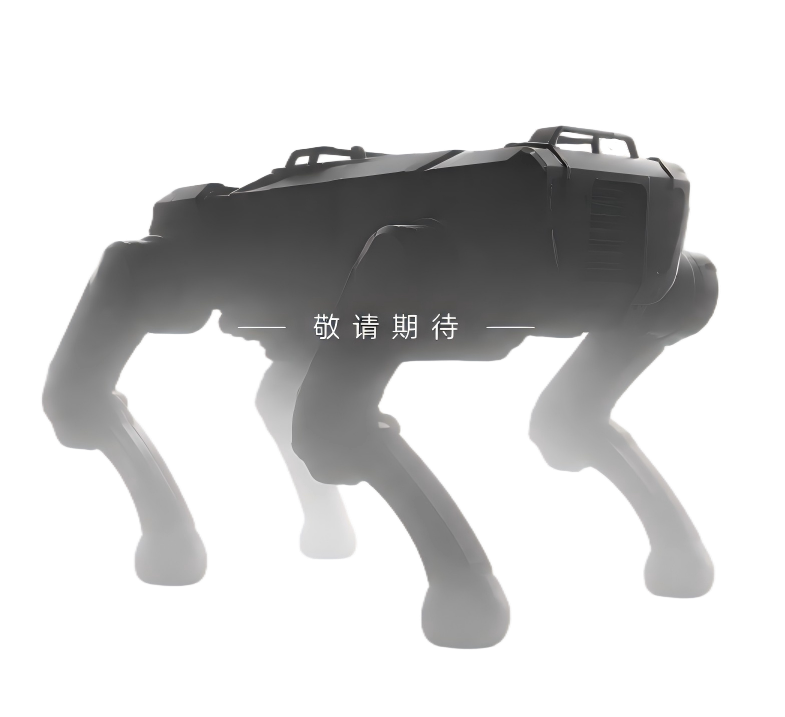
Latent-Action Robotics Reconnects with Singapore Delegation on Smart Patrol Applications
News
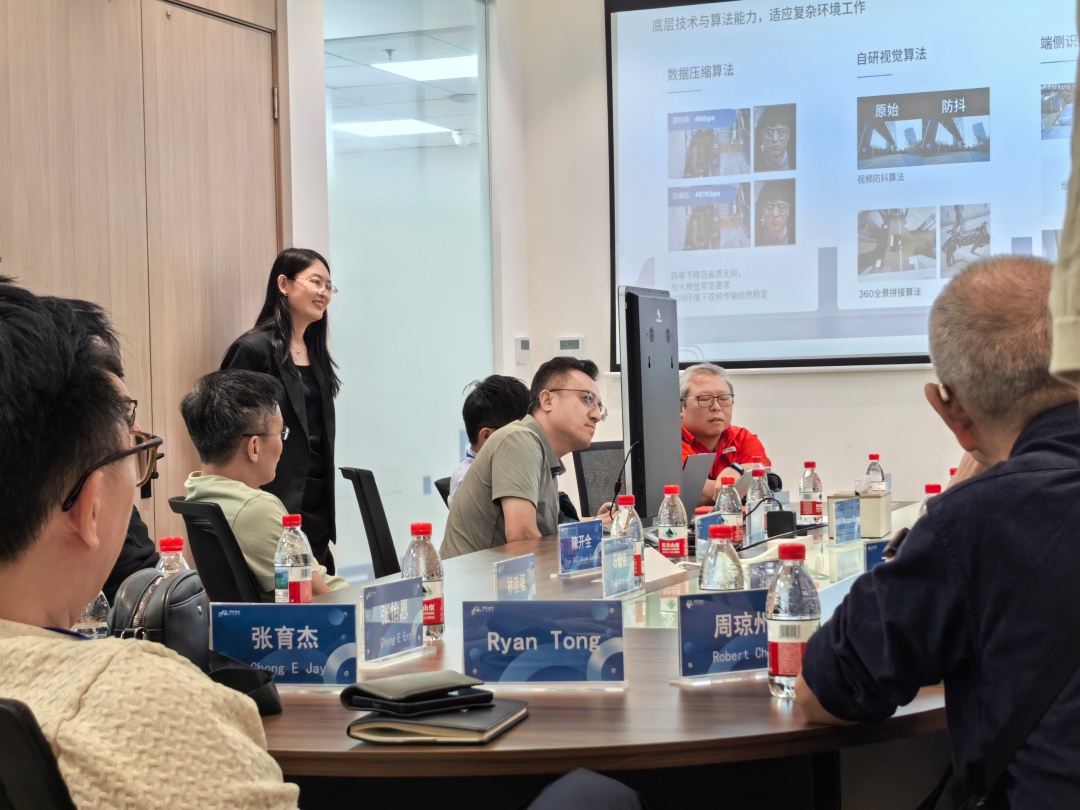
Recently, Latent-Action Robotics was invited to participate in a technical exchange organized by its ecosystem partner, MScape, where the company met again with a Singapore government and business delegation to share practical applications of quadruped robots in smart patrol scenarios.
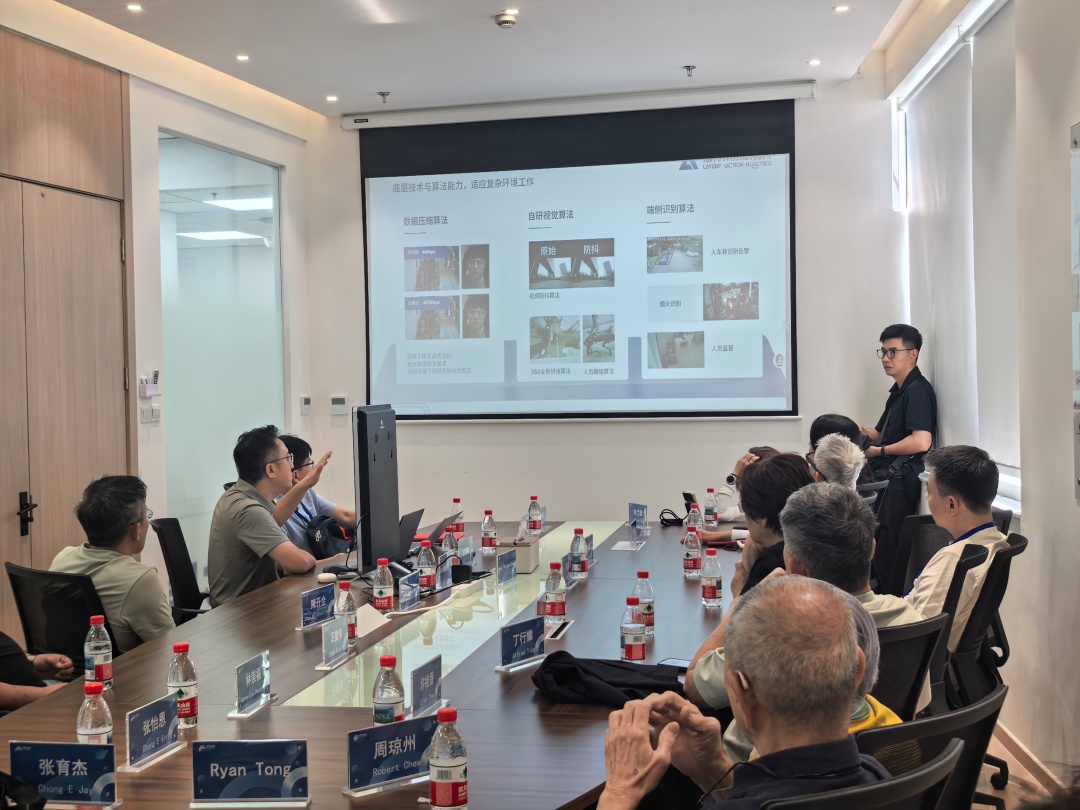
The delegation had previously visited Latent-Action Robotics to learn about the company’s robotic products and technical capabilities. During this latest meeting, the discussion moved beyond products and technologies to focus more closely on real-world applications, with particular attention to operational requirements and deployment approaches in patrol scenarios.
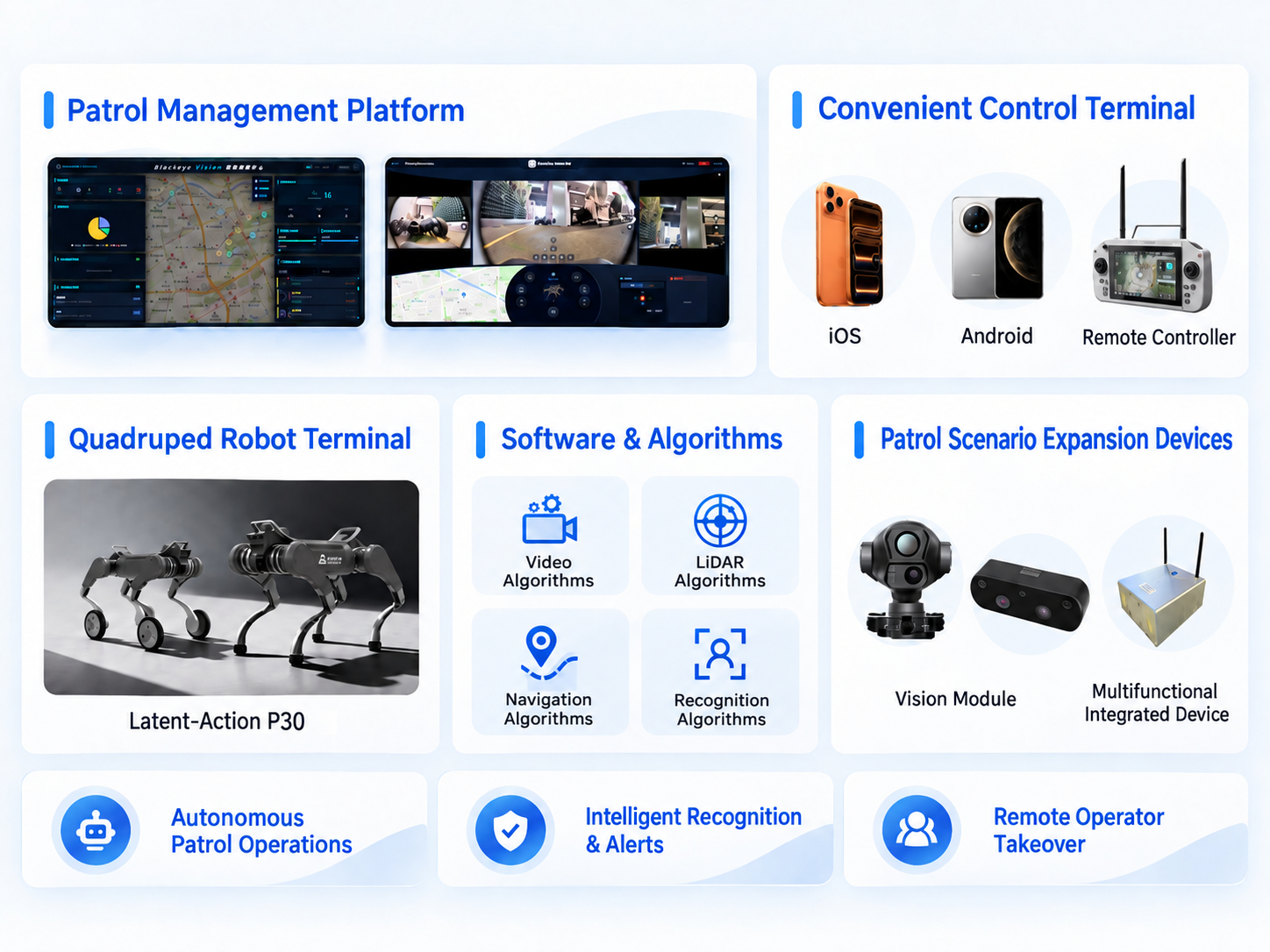
During the event, Latent-Action Robotics introduced its smart patrol solution for industrial parks, public areas, and other environments. The solution uses the P30 quadruped robot as a mobile robotic platform, integrating vision, LiDAR, navigation, and recognition algorithms with a patrol management platform and scenario-specific expansion modules. It supports autonomous patrol, on-site sensing, anomaly alerts, and remote response, creating an end-to-end operational workflow from task execution to incident handling.
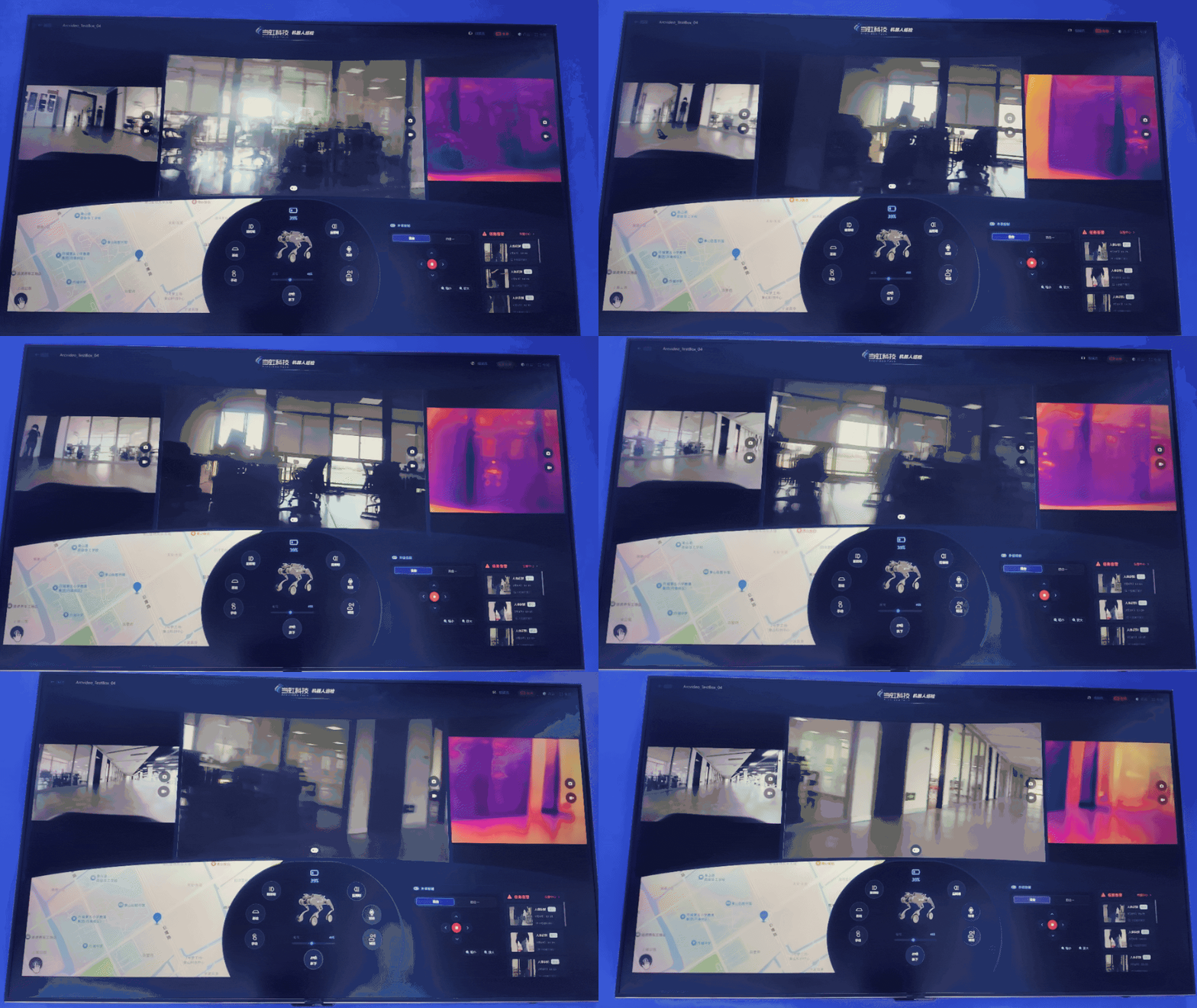
To meet the requirements of different scenarios, the robot can be equipped with multi-modal sensing modules, including visible-light cameras, infrared imaging devices, and LiDAR. It can also support interactive functions such as audible and visual alerts, remote public address, and two-way communication, enabling around-the-clock environmental monitoring, safety warnings, and coordinated emergency response.
For Latent-Action Robotics, the value of a robot goes beyond its mobility. What matters is whether it can be effectively integrated into real operational workflows and perform on-site tasks continuously and reliably.
Looking ahead, Latent-Action Robotics will continue to enhance its robotic platforms, perception algorithms, intelligent scheduling capabilities, and task management systems, while further refining intelligent solutions for both domestic and international applications. The company aims to bring robots into more industries and enable them to serve a broader range of markets and regions.
The delegation had previously visited Latent-Action Robotics to learn about the company’s robotic products and technical capabilities. During this latest meeting, the discussion moved beyond products and technologies to focus more closely on real-world applications, with particular attention to operational requirements and deployment approaches in patrol scenarios.
During the event, Latent-Action Robotics introduced its smart patrol solution for industrial parks, public areas, and other environments. The solution uses the P30 quadruped robot as a mobile robotic platform, integrating vision, LiDAR, navigation, and recognition algorithms with a patrol management platform and scenario-specific expansion modules. It supports autonomous patrol, on-site sensing, anomaly alerts, and remote response, creating an end-to-end operational workflow from task execution to incident handling.
**Application Architecture for Quadruped Robot Patrol and Inspection**
To meet the requirements of different scenarios, the robot can be equipped with multi-modal sensing modules, including visible-light cameras, infrared imaging devices, and LiDAR. It can also support interactive functions such as audible and visual alerts, remote public address, and two-way communication, enabling around-the-clock environmental monitoring, safety warnings, and coordinated emergency response.
**Real-Time View of Robotic Patrol Operations**
During the exchange, the Singapore government and business delegation showed particular interest in the potential application of these robotic products and technologies in local operational environments. The two sides discussed robot deployment approaches, environmental perception, remote management, and application requirements across different scenarios.
For Latent-Action Robotics, the value of a robot goes beyond its mobility. What matters is whether it can be effectively integrated into real operational workflows and perform on-site tasks continuously and reliably.
Looking ahead, Latent-Action Robotics will continue to enhance its robotic platforms, perception algorithms, intelligent scheduling capabilities, and task management systems, while further refining intelligent solutions for both domestic and international applications. The company aims to bring robots into more industries and enable them to serve a broader range of markets and regions.