



From project kickoff to mass-production delivery, the prototype is not the finish line
News

In robotics, “the prototype runs, mass production stalls” is common.Latent-Action’s partnership with Ningbo Huaxiang Qiyuan offers an answer:Design for mass-production capability from day one of the R&D project。
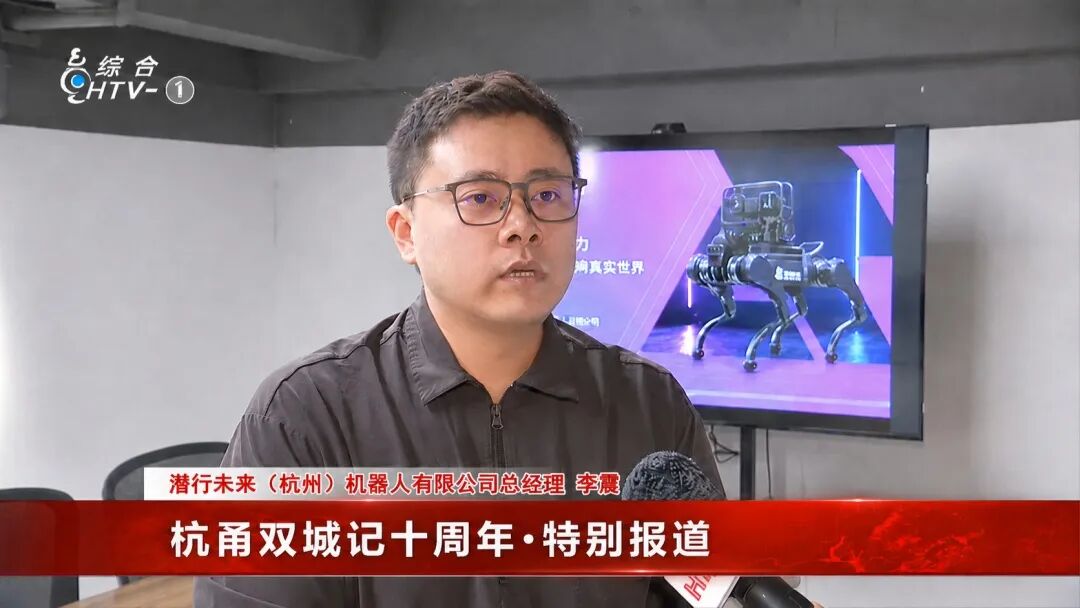
Recently, Latent-Actionwas invited for a special feature interview on Zhejiang TV’s News 60 Minutes for the 10th anniversary of the Hangzhou–Ningbo Twin Cities initiative. As a flagship example of Hangzhou–Ningbo industrial collaboration, Latent-Action shared its strategic partnership practice with Ningbo Huaxiang—a collaboration model in which AI R&D pulls the mass-production system forward.
The industry’s real dilemma:
A lab demo is a different matter from real application
For a long time, most domestic robot companies stayed focused on algorithm validation and prototype demos: demos that run in the lab and look impressive at trade shows. Once true industrialization begins, quality consistency, supply-chain stability, and batch-delivery capability become hard barriers to cross.
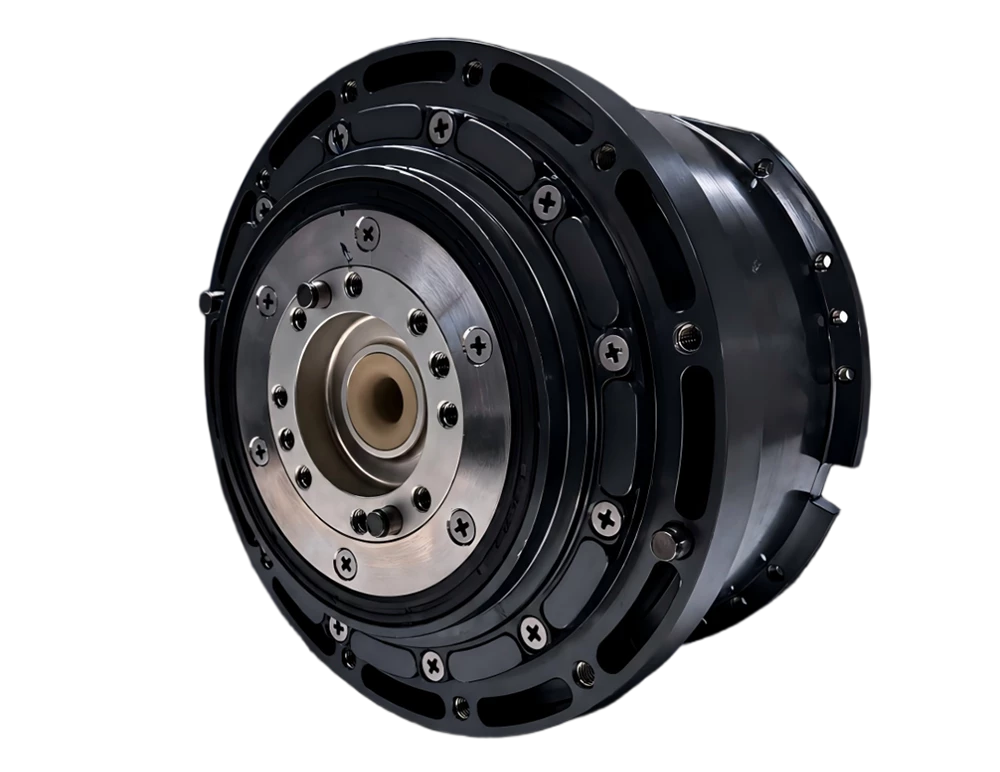
This is not a single technical issue, but a mismatch between R&D and manufacturing. Robots must be lightweight yet structurally strong; they need sufficient payload and endurance while controlling overall cost. These challenges can only be solved through deep R&D–manufacturing collaboration.
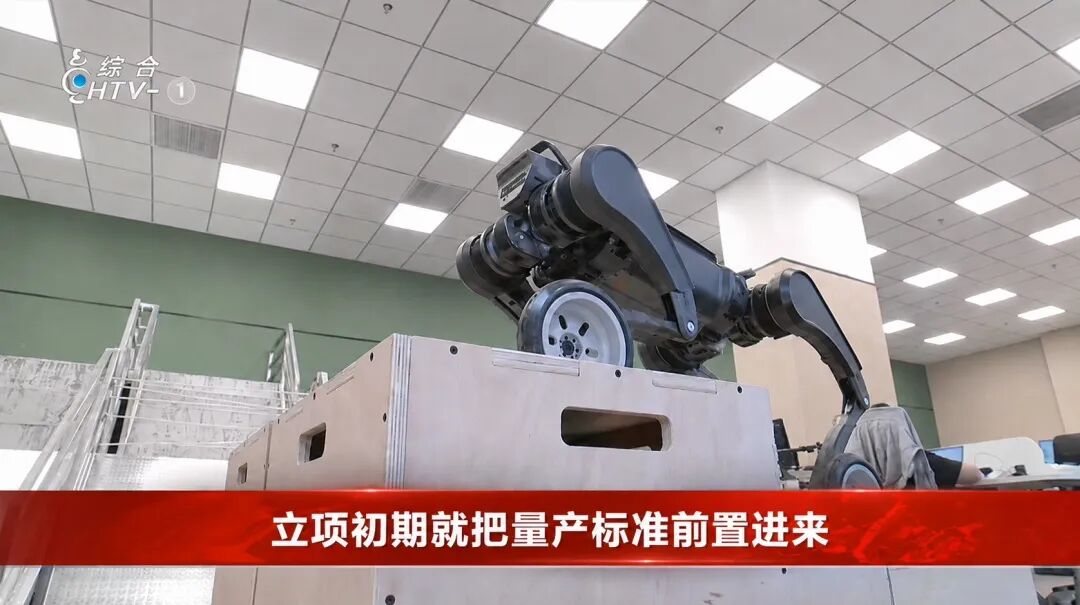
Based on this judgment, Latent-Action brings mass-production standards forward into product definition—jointly optimizing structural design, material selection, critical-part consistency, and manufacturing processes so products meet batch-delivery and long-term use requirements.
The essence of Hangzhou–Ningbo collaboration:
Not clustering together—precise capability complementarity
Latent-Action chose a deep strategic partnership with Ningbo Huaxiang for a simple reason: the two sides’ capabilities fit tightly together.
Latent-Action focuses on motion control, intelligent algorithms, and systems engineering, leading product definition, technical roadmap, and scenario adaptation. Ningbo Huaxiang leverages deep precision-manufacturing experience, a mature supply chain, and scaled delivery systems to take on full-process hardware production and quality control.
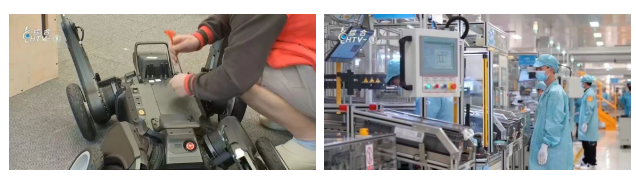
What the two sides are building is not single-product contract manufacturing, but a complete industrial system led by AI R&D and matched with hardware supply-chain and manufacturing capability. Mass-production cost, process feasibility, and delivery stability are all considered from the R&D stage—fundamentally closing the gap from “sample to product,” enabling products tolaunch with batch-delivery capability.
Based on this “combined system” R&D philosophy, Latent-Action advanced R&D and mass-production preparation in parallel with Huaxiang from project kickoff. Ultimately, from project initiation to mass-production delivery readiness, the full product took onlyfour months。
Orders upon landing:
Mass-production capability is core competitiveness
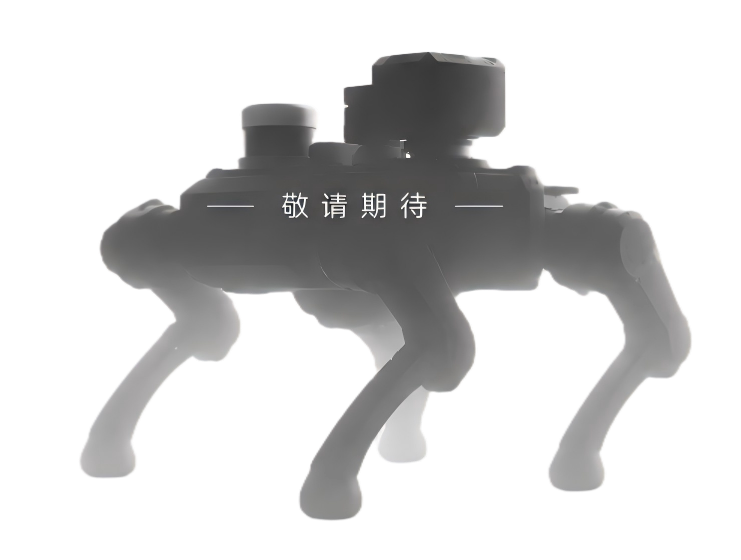
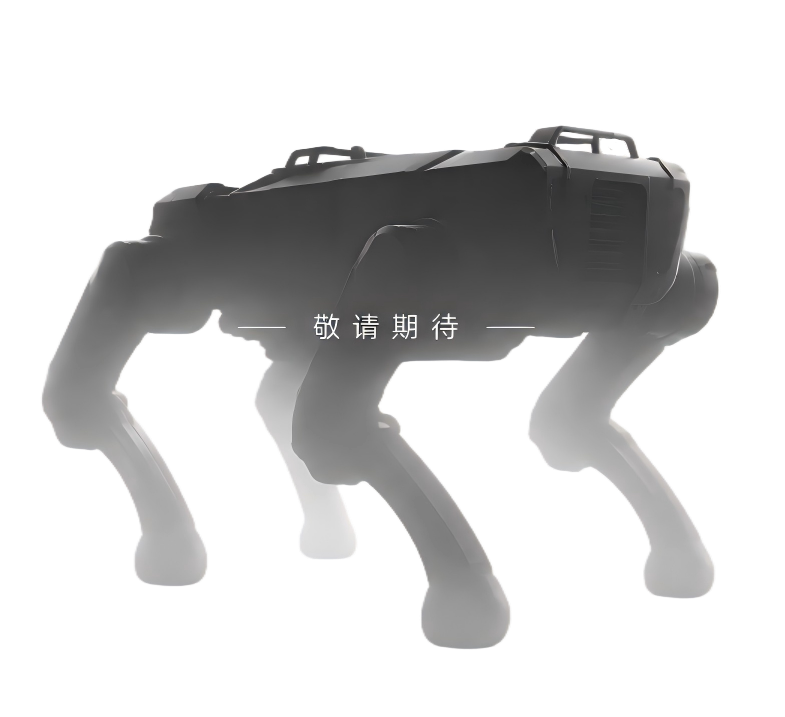
Latent-Action’s first industry-grade quadruped robot—All-Terrain Rover P30—secured nearly RMB 10 million in orders before official launch, thanks to mature performance and a definite delivery schedule.

Latent-Action CEO Li Zhensaid in the interview: “Many robot companies build ‘demo-grade products’; we aim to build ‘deliverable industry-grade products.’ This partnership is not simply about making a robot body—it is about building a replicable, iterable, batch-deliverableembodied intelligencerobot platform.”
Innovation continues:
Jointly building Zhejiang’s embodied-intelligence industrial foundation
This year marks the 10th anniversary of the Hangzhou–Ningbo Twin Cities initiative. Hangzhou’s digital innovation strength and Ningbo’s manufacturing depth form a natural dual core for Zhejiang’s high-end equipment industry. Latent-Action andHuaxiang Qiyuan’s partnership is precisely what turns this regional endowment into real industrial outcomes.
Latent-Action will continue deepening collaboration, using deployable technology and mass-producible products to bring embodied intelligence into more real industrial scenarios.